Parts of the Body in Spanish: 75+ Words From Head to Toe

Get our free email course, Shortcut to Conversational.
Have conversations faster, understand people when they speak fast, and other tested tips to learn faster.
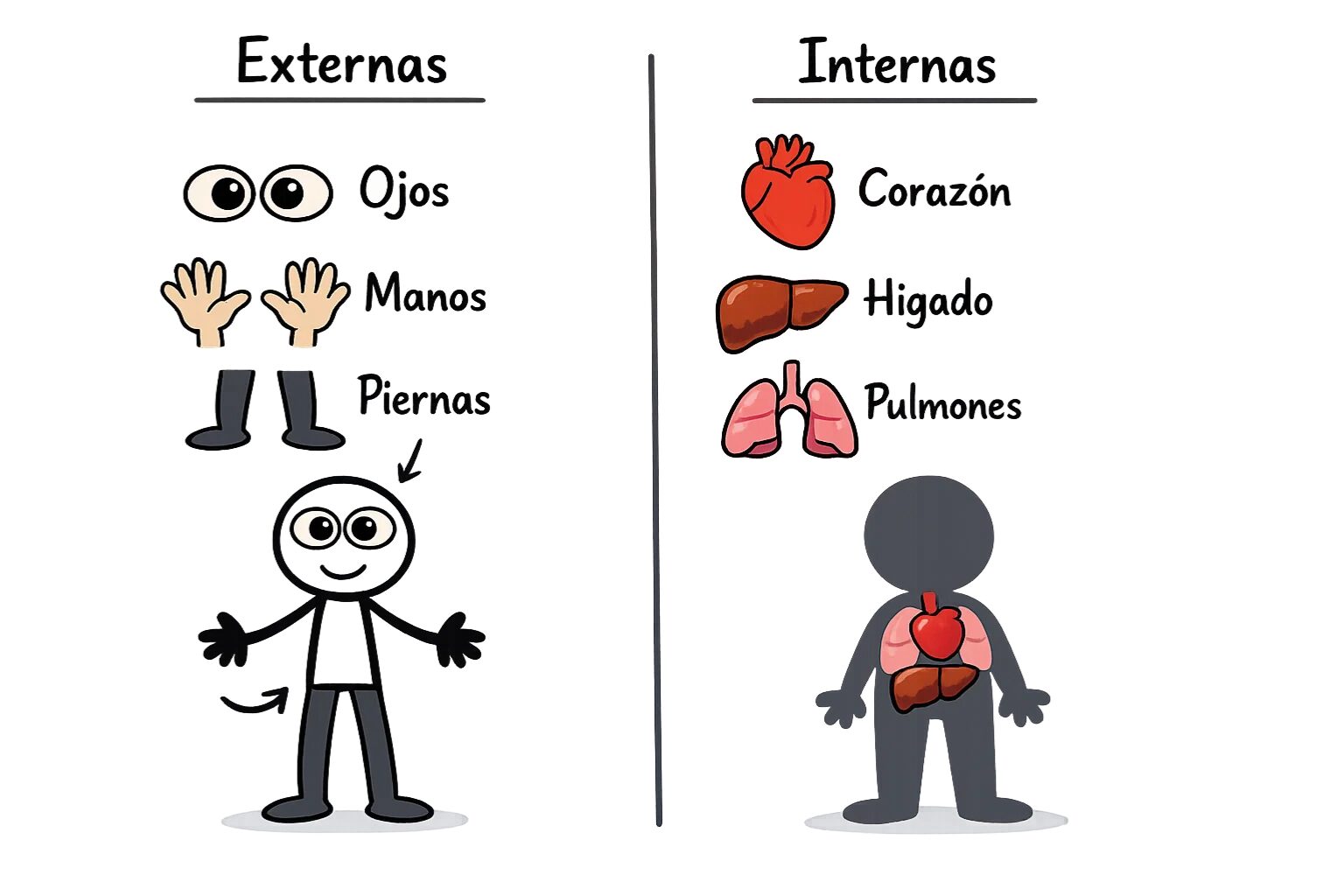
More infoLearning body parts in Spanish is essential for everyday conversations. You’ll need this vocabulary to describe people, talk about health, or even give compliments to others.
With this guide, you’ll learn over 75 words to refer to different parts of the body in Spanish, starting with the most important and common words and building up to more detailed, specialized vocabulary. By the end, you’ll be able to recognize and use the terms you’re most likely to need in real conversations, and some to impress the native speakers.
Jump ahead here for comprehensive Spanish vocabulary lists for these regions of the body:
If you want to put these words into practice, check out our guide to Physical Descriptions in Spanish: Basic Vocabulary To Know, where you’ll see this vocabulary in context.
What are the body parts in Spanish?
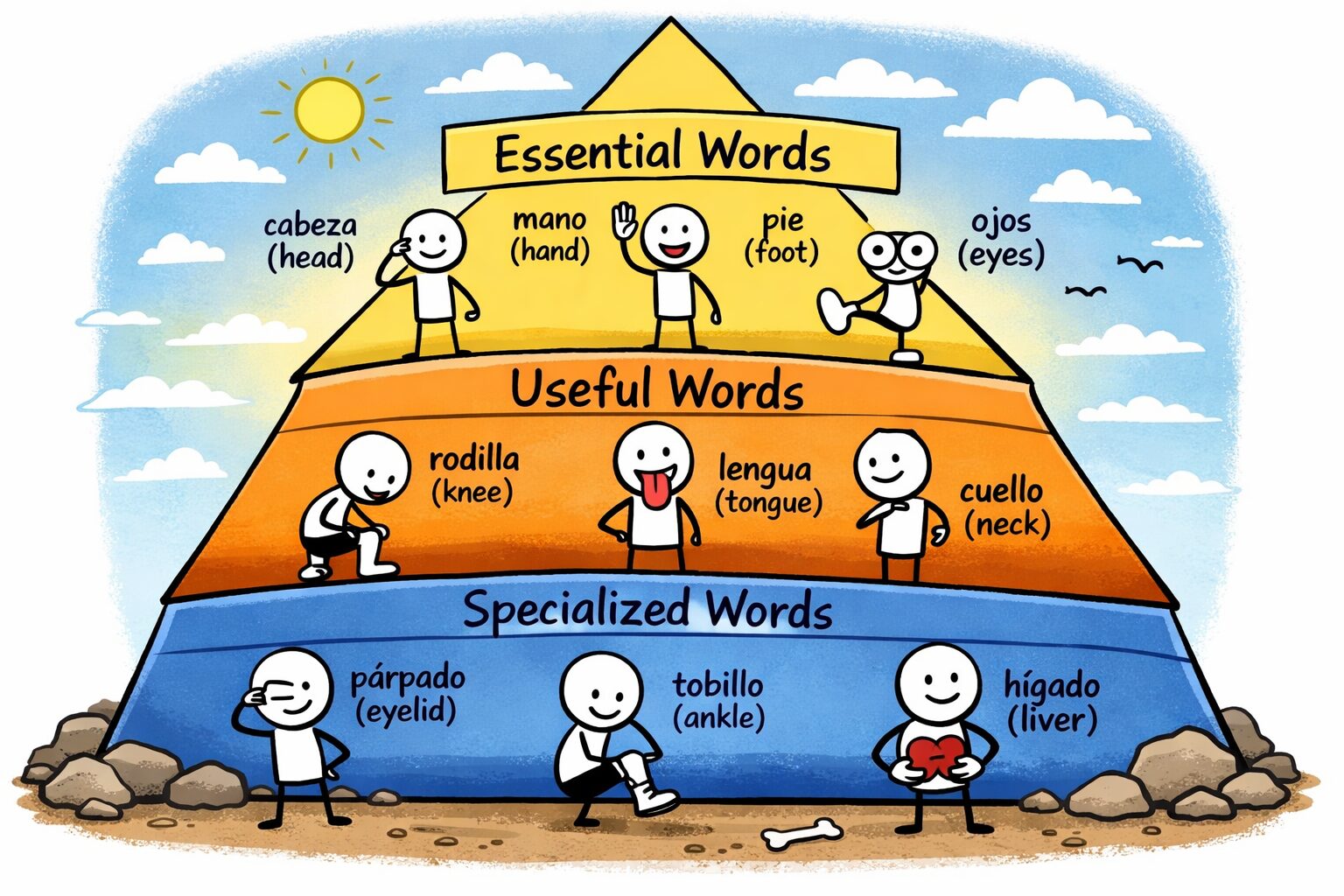
Let’s start building your Spanish body parts vocabulary from the ground up. We’ll begin with the most common words you’ll use in everyday conversations, then gradually move on to more specific terms.
Basic body parts in Spanish
These are the essential body parts in Spanish every learner should know first. Once you’re comfortable with these, the rest will be much easier to learn.
| Body parts: English | Body parts: Spanish |
| Head | La cabeza |
| Face | El rostro, La cara |
| Eyes | Los ojos |
| Nose | La nariz |
| Mouth | La boca |
| Lips | Los labios |
| Ears | Las orejas, Los oídos |
| Hair | El cabello, El pelo |
| Back | La espalda |
| Shoulder | El hombro |
| Arms | Los brazos |
| Hand | La mano |
| Legs | Las piernas |
| Foot | El pie |
Intermediate body parts in Spanish
Ready to go a step further? These body parts come up regularly in conversations, descriptions, and everyday situations. Once you know the basics, adding these words will make your Spanish sound much more natural:
| Body parts: English | Body parts: Spanish |
| Teeth | Los dientes |
| Tongue | La lengua |
| Neck | El cuello |
| Chest | El pecho |
| Elbow | El codo |
| Finger | El dedo |
| Knee | La rodilla |
Advanced body parts in Spanish
Here are some more specific body parts and a few common internal organs. You don’t need to memorize them all at once, focus on the ones that feel most useful to you and come back to the rest later:
| Body parts: English | Body parts: Spanish |
| Forehead | La frente |
| Eyelid | El párpado |
| Eyelash | La pestaña |
| Cheeks | Las mejillas |
| Chin | La barbilla |
| Beard | La barba |
| Moustache | El bigote |
| Nipples (male) | Las tetillas |
| Nipples (female) | Los pezones |
| Navel, Bellybutton | El ombligo |
| Waist | La cintura |
| Wrist | La muñeca |
| Ankle | El tobillo |
| Nails | Las uñas |
| Internal organs: English | Internal organs: Spanish |
| Heart | El corazón |
| Lungs | Los pulmones |
| Liver | El hígado |
| Kidney | El riñon |
| Intestines | Los intestinos |
Spanish Body Parts Organized by Region
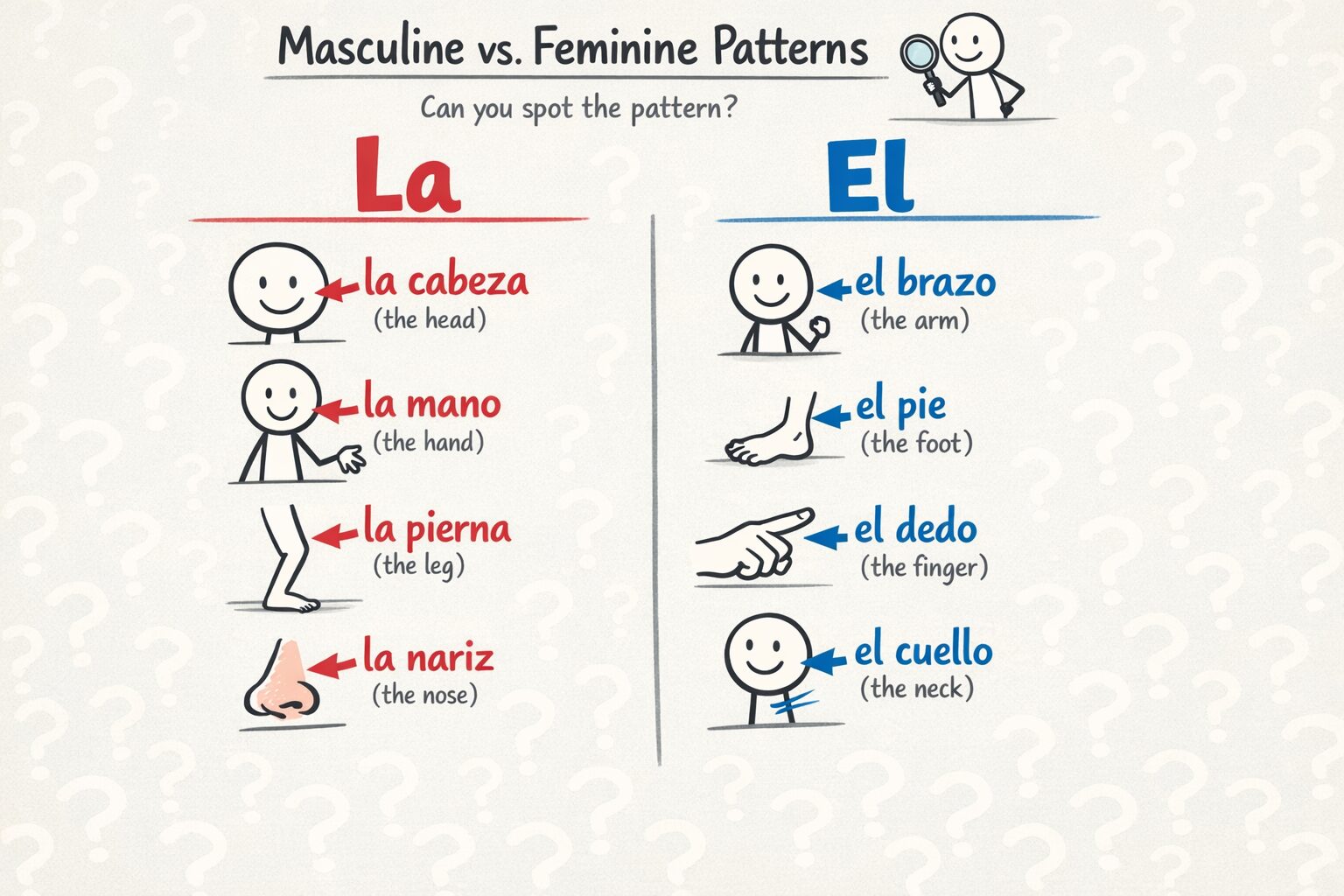
You’ve already covered the most useful body parts in Spanish! Next comes the full picture. The lists below bring everything together in one place, grouping Spanish body parts by region so you can review familiar words and discover new ones at the same time.
The head: La cabeza
| Body parts: English | Body parts: Spanish |
| Head | La cabeza |
| Face | El rostro, La cara |
| Eyes | Los ojos |
| Nose | La nariz |
| Mouth | La boca |
| Ears | Las orejas, Los oídos |
| Hair | El pelo, El cabello |
| Skin | La piel |
| Pores | Los poros |
| Forehead | La frente |
| Eyebrows | Las cejas |
| Eyelashes | Las pestañas |
| Eyelids | Los párpados |
| Dark circles under the eyes | Las ojeras |
| Nostrils | Las fosas nasales |
| Lips | Los labios |
| Teeth | Los dientes |
| Gums | Las encías |
| Tongue | La lengua |
| Cheeks | Las mejillas, Los cachetes |
| Cheekbones | Los pómulos |
| Jaw | La mandíbula |
| Chin | La barbilla |
| Neck | El cuello |
| Beard | La barba |
| Mustache | El bigote |
| Sideburns | Las patillas |
The torso: El torso
| Body parts: English | Body parts: Spanish |
| Torso | El torso |
| Shoulders | Los hombros |
| Back | La espalda |
| Pectorals | Los pectorales |
| Chest | El pecho |
| Breast | El seno |
| Nipples (male) | Las tetillas |
| Nipples (female) | Los pezones |
| Navel, Bellybutton | El ombligo |
| Belly, Abdomen | El vientre |
| Belly | La barriga |
The arms: Los brazos
| Body parts: English | Body parts: Spanish |
| Arm, Upper arm | El brazo |
| Armpit | La axila |
| Elbow | El codo |
| Forearm | El antebrazo |
| Wrist | La muñeca |
| Hand | La mano |
| Palm of your hand | La palma de la mano |
| Knuckle | El nudillo |
| Thumb | El pulgar |
| Finger | El dedo |
| Index finger | El dedo índice |
| Middle finger | El dedo medio |
| Ring finger | El dedo anular |
| Little finger | El dedo pequeño |
| Pinkie | El meñique |
| Fingernails | Las uñas de las manos |
The legs: Las piernas
| Body parts: English | Body parts: Spanish |
| Waist | La cintura |
| Hips | Las caderas |
| Buttocks | Las nalgas |
| Butt | El trasero |
| Leg | La pierna |
| Thighs | Los muslos |
| Knee | La rodilla |
| Calves | Las pantorrillas |
| Ankle | El tobillo |
| Foot | El pie |
| Heel | El talón |
| Sole of the foot | La planta del pie |
| Instep | El empeine |
| Toes | Los dedos de los pies |
| Toenails | Las uñas de los pies |
The internal organs: Los órganos internos
| The internal body: English | The internal body: Spanish |
| Brain | El cerebro |
| Heart | El corazón |
| Blood | La sangre |
| Veins | Las venas |
| Lungs | Los pulmones |
| Liver | El hígado |
| Kidney | El riñón |
| Intestines | Los intestinos |
| Stomach | El estómago |
| Muscles | Los músculos |
| Bones | Los huesos |
Conclusion: Body parts in Spanish
Learning body parts in Spanish is one of those practical steps that pays off right away. These are words you’ll use when describing people, talking about health, giving directions, or just making everyday conversation.
Instead of trying to memorize everything at once, come back to this guide whenever you need it, and make sure to check out our video on the topic too! Focus on the most common words first, and let the rest become familiar over time. The more often you see and use these terms, the more naturally they’ll stick.
Once you feel comfortable with this vocabulary, try putting it into practice. You can start by learning how to describe people in our article on physical descriptions, or by using these words to give natural compliments in Spanish. That’s where vocabulary really starts to come alive!
Spanish body parts quiz
We’ll leave you with a few different exercises to let you practice your Spanish body parts. How good is your memory?
Exercise 1: Recognizing Spanish body parts
Select the correct answer to match each picture of body parts. The translations are included in the answer key below.
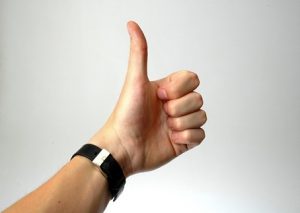
1. Tengo cinco _____ en mi _____.
a. cabeza – pierna
b. dedos – mano
c. pies – mano
d. intestino – corazón
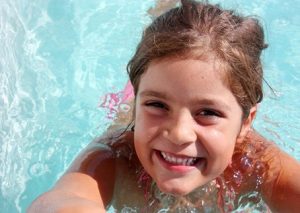
2. Mi _____ esta sumergido en el agua, menos mi _____.
a. espalda – cabeza
b. dientes – riñón
c. cuerpo – cabeza
d. orejas – ojos
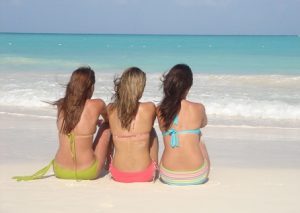
3. Solo se ven nuestras _____ y nuestro _____, porque nuestras _____ están de frente al mar.
a. espaldas – ojos – caras
b. nariz – boca – pulmones
c. dedos – brazos – hombros
d. espaldas – cabello – caras
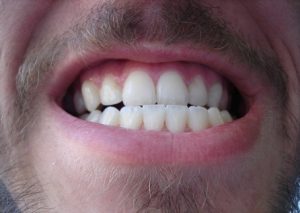
4. En mi _____, mis _____ son blancos y mis _____ rojas.
a. boca – dientes – encías
b. rostro – dientes – piernas
c. corazón – músculos – venas
d. cuerpo – huesos – sangre

5. Mis dos _____ azules están cerca de mi _____, _____, y _____.
a. oídos – piernas – antebrazos – estómago
b. ojos – frente – mejillas – nariz
c. cabeza – piel – hígado – corazón
d. dedos – cerebro – riñón – uñas
Exercise 1, answer key with translations:
1. Tengo cinco dedos en mi mano. – I have five fingers on my hand.
2. Mi cuerpo esta sumergido en el agua, menos mi cabeza. – My body is submerged in the water, except for my head.
3. Solo se ven nuestras espaldas y nuestro cabello, porque nuestras caras están de frente al mar. – You only see our backs and our hair, because our faces are facing the sea.
4. En mi boca, mis dientes son blancos y mis encías rojas. – In my mouth, my teeth are white and my gums red.
5. Mis dos ojos azules están cerca de mi frente, mejillas, y nariz. – My two blue eyes are near my forehead, cheeks, and nose.
Exercise 2: Spanish body part descriptions
Read the description of each body part in Spanish and select which one it is. The translations are included in the answer key below.
1. Se encarga de bombear la sangre.
a. Frente
b. Corazón
c. Pulmones
2. Los usas para ver cosas.
a. Rodillas
b. Cabeza
c. Ojos
3. Va desde la muñeca hasta la punta de los dedos.
a. Boca
b. Mano
c. Ceja
4. Sirve para cortar o masticar los alimentos.
a. Dientes
b. Pecho
c. Cintura
5. Sirve para respirar y oler.
a. Hígado
b. Piernas
c. Nariz
Exercise 2, answer key with translations:
1. Se encarga de bombear la sangre. – It is responsible for pumping blood.
a. Frente – Forehead
b. Corazón – Heart
c. Pulmones – Lungs
2. Los usas para ver cosas. – You use them to see things.
a. Rodillas – Knees
b. Cabeza – Head
c. Ojos – Eyes
3. Va desde la muñeca hasta la punta de los dedos. – It goes from the wrist to the fingertips.
a. Boca – Mouth
b. Mano – Hand
c. Ceja – Eyebrow
4. Sirve para cortar o masticar los alimentos. – Used for cutting or chewing food.
a. Dientes – Teeth
b. Pecho – Chest
c. Cintura – Waist
5. Sirve para respirar y oler. – Used for breathing and smelling.
a. Hígado – Liver
b. Piernas – Legs
c. Nariz – Nose
Exercise 3: Physical descriptions
This last exercise is harder, because it combines Spanish body parts vocabulary from this lesson as well as vocab from our other post on physical descriptions in Spanish. Still, we make it easier by providing the English description you’re looking for.
Choose the phrase that describes the person in each picture.
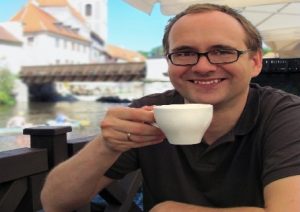
1. Man with short hair and white skin:
a. Este hombre tiene mucho cabello y su piel es morena.
b. Hombre blanco de cabello abundante.
c. Hombre de cabello corto y piel blanca.
d. Hombre asiático y cabello corto.
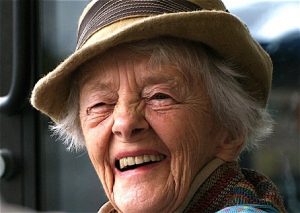
2. Old woman with white hair and a beautiful smile:
a. Mujer joven con cabello rubio y largo.
b. Anciana de cabello blanco y una hermosa sonrisa.
c. Niña sonriendo.
d. Anciana llorando.
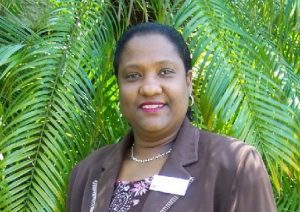
3. Dark-haired, brown-eyed woman with a uniform:
a. Mujer rubia, delgada y alta.
b. Mujer con el cabello suelto y rasgos latinos.
c. Joven blanca con su amiga.
d. Mujer morena de ojos cafés y con uniforme.

4. Girl with white skin and brown hair, studying:
a. Joven universitaria estudiando.
b. Niña de piel blanca y cabello moreno estudiando.
c. Niño jugando en el parque.
d. Hombre trabajando.
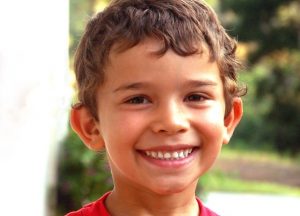
5. Brown-haired boy with big ears, white teeth, and short wavy hair:
a. Niño rubio con orejas pequeñas y ojos verdes.
b. Niña morena, cabello largo y cicatriz en su barbilla.
c. Niño moreno, con orejas grandes, dientes blanco y cabello corto ondulado.
d. Joven atleta corriendo en la calle.
Exercise 3, answer key:
1. c. Hombre de cabello corto y piel blanca.
2. b. Anciana de cabello blanco y una hermosa sonrisa.
3. d. Mujer morena de ojos cafés y con uniforme.
4. b. Niña de piel blanca y cabello negro estudiando.
5. c. Niño moreno, con orejas grandes, dientes blanco y cabello corto ondulado.